Residential Solar Panel Installation Cost in 2026: Average Prices, Tax Credits & Homeowner Savings Guide
- Roof Size and Shape
- Energy Consumption
- Solar Panel Quality
- Inverter Type
- Battery Storage
- Local Labor Rates
- Project Breakdown
- Cash Purchase
- Solar Loan
- Home Equity Loan
- Solar Lease
- Power Purchase Agreement (PPA)
- Texas
- Florida
- California
- United States
- United Kingdom
- Canada
- How much does residential solar installation cost in 2026?
- What size solar system does the average home need?
- How long does installation take?
- Are solar panels worth the investment?
- Will solar panels increase home value?
- Should I install battery storage?
Residential Solar Panel Installation Cost in 2026: Complete Homeowner Guide
Installing residential solar panels has become one of the most effective ways for homeowners to reduce electricity costs, increase property value, and protect themselves against rising utility rates. Thanks to continuous improvements in photovoltaic technology, government incentives, and declining equipment costs, residential solar systems are more affordable than ever in 2026.
However, many homeowners still ask one important question:
How much does residential solar panel installation actually cost?
The answer depends on several variables, including your home's energy consumption, roof size, equipment quality, labor costs, geographic location, and available tax incentives.
This complete guide explains everything homeowners need to know about residential solar panel installation costs in 2026, including average pricing, cost breakdowns, financing options, state-specific considerations, long-term return on investment (ROI), and practical tips for choosing the right installer.
Why More Homeowners Are Installing Solar Panels
Electricity prices have continued to rise across many regions, making solar energy an increasingly attractive investment.
Installing solar panels provides several benefits:
- Lower monthly electricity bills
- Protection from rising utility prices
- Increased home resale value
- Reduced carbon footprint
- Greater energy independence
- Eligibility for federal and local incentives
- Potential backup power when paired with batteries
- Long-term financial savings
Many homeowners recover their investment within several years while enjoying decades of low-cost electricity.
Average Residential Solar Installation Costs in 2026
The average cost depends largely on the size of the solar system required.
| System Size | Suitable Home | Average Installed Cost | Cost After 30% Federal Tax Credit |
|---|---|---|---|
| 4 kW | Apartment / Small Home | $10,000–$13,000 | $7,000–$9,100 |
| 6 kW | Small Family | $14,000–$18,000 | $9,800–$12,600 |
| 8 kW | Average Household | $18,000–$24,000 | $12,600–$16,800 |
| 10 kW | Large Home | $22,000–$30,000 | $15,400–$21,000 |
| 12 kW | Luxury Home | $27,000–$36,000 | $18,900–$25,200 |
The federal Residential Clean Energy Credit significantly lowers the upfront investment, making solar more accessible for homeowners across the United States.
Residential Solar Installation Cost Breakdown
Understanding where your money goes helps you compare installer quotes more effectively.
| Expense Category | Average Percentage |
|---|---|
| Solar Panels | 30–35% |
| Inverter | 10–15% |
| Mounting Hardware | 8–10% |
| Labor | 20–30% |
| Electrical Equipment | 8–12% |
| Permits & Inspection | 3–5% |
| Monitoring System | 2–4% |
| Installer Margin | Remaining Balance |
Labor remains one of the largest cost components, particularly in areas with higher wages and more complex permitting requirements.
Factors That Affect Installation Costs
No two homes require identical solar installations.
Several factors influence the final price.
Roof Size and Shape
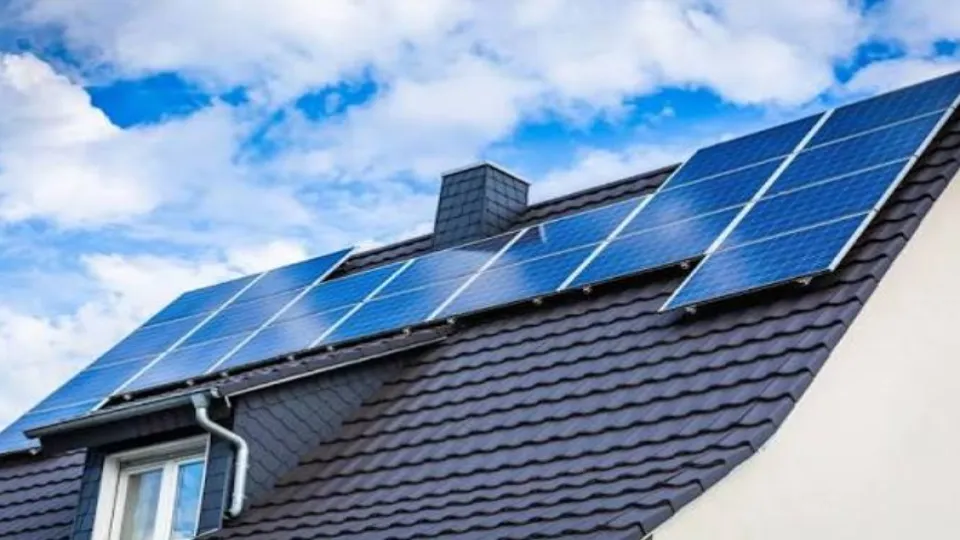
Simple roofs with large, unobstructed surfaces cost less to install than roofs with multiple angles, dormers, skylights, or chimneys.
Energy Consumption
Homes consuming more electricity require larger systems, increasing equipment and installation costs.
Solar Panel Quality
Premium panels cost more initially but generally produce more electricity over their lifetime due to higher efficiency and lower degradation rates.
Inverter Type
Choosing between:
- String inverter
- Microinverter
- Hybrid inverter
can significantly affect project costs.
Battery Storage
Adding battery storage typically increases project costs by $8,000–$18,000, depending on capacity and brand.
Local Labor Rates
Installation costs vary substantially by state and metropolitan area due to wage differences and permitting requirements.
Residential Solar Cost per Watt
Many installers price residential systems using dollars per watt.
| Cost per Watt | Value |
|---|---|
| Under $2.50 | Excellent |
| $2.50–$3.00 | Competitive |
| $3.00–$3.50 | Average |
| Above $3.50 | Premium Market |
A lower price per watt generally indicates better value, but homeowners should also compare equipment quality, warranty coverage, and installer reputation.
Example Installation Cost Calculation
Consider a homeowner with an average electricity bill of $220 per month.
Recommended system:
8 kW
Project Breakdown
Solar panels:
$11,500
Microinverters:
$3,500
Mounting hardware:
$2,100
Electrical upgrades:
$1,600
Labor:
$5,000
Permits:
$900
Monitoring system:
$600
Total installation cost:
$25,200
Federal Tax Credit (30%)
-$7,560
Net installation cost:
$17,640
Estimated annual electricity savings:
$2,350
Estimated payback period:
Approximately 7–8 years
Estimated lifetime savings over 25 years:
More than $60,000, depending on electricity inflation and household consumption.
Premium vs Budget Residential Solar Systems
| Feature | Premium System | Budget System |
|---|---|---|
| Initial Cost | Higher | Lower |
| Panel Efficiency | Excellent | Good |
| Warranty | Longer | Standard |
| Expected Lifespan | 30–40 Years | 25–30 Years |
| Degradation Rate | Lower | Higher |
| Long-Term Savings | Higher | Moderate |
Premium systems often generate more electricity over their lifetime, resulting in a stronger return on investment despite higher upfront costs.
Financing Options for Homeowners
Many homeowners choose financing instead of paying cash.
Popular options include:
Cash Purchase
- Highest lifetime savings
- No interest payments
- Fastest ROI
Solar Loan
- Fixed monthly payments
- Immediate ownership
- Eligible for tax credits
Home Equity Loan
Useful for homeowners with sufficient equity and favorable interest rates.
Solar Lease
Lower upfront costs but reduced long-term savings because the leasing company owns the system.
Power Purchase Agreement (PPA)
Homeowners pay only for the electricity produced rather than owning the equipment.
Tips for Reducing Solar Installation Costs
To maximize value:
- Compare at least three installer quotes.
- Verify installer certifications and customer reviews.
- Take advantage of federal, state, and utility incentives.
- Install battery storage only if it aligns with your energy goals.
- Choose high-efficiency panels for limited roof space.
- Review warranty coverage carefully.
- Avoid oversized systems that exceed your actual electricity usage.
- Schedule installation during slower seasons when discounts may be available.
- Ask about financing promotions and low-interest loan programs.
- Evaluate lifetime savings rather than focusing solely on upfront costs.
State-Specific Notes
Texas
Texas offers excellent solar potential thanks to abundant sunshine. Although statewide net metering is not mandatory, many utilities provide attractive buyback programs. Homeowners should also choose equipment designed to perform efficiently in prolonged high temperatures.
Florida
Florida's strong solar resource makes residential installations highly productive. Because of hurricane exposure, homeowners should prioritize systems with robust mounting hardware, corrosion-resistant components, and installers experienced with local building codes.
California
California remains one of the largest residential solar markets. Changes to net billing policies have increased interest in battery storage, allowing homeowners to store excess daytime energy and use it during expensive evening peak periods.
Country-Specific Considerations
United States
Federal tax incentives continue to reduce residential installation costs, while many states and utility providers offer additional rebates or performance-based incentives. Homeowners should verify local policies before purchasing.
United Kingdom
Residential solar adoption continues to grow as households seek protection from rising electricity prices. Roof orientation, shading, and battery storage play important roles due to the UK's variable weather conditions.
Canada
Canadian homeowners benefit from modern solar technology that performs effectively even in colder climates. Provincial incentives vary, so researching local rebate programs can significantly reduce installation costs.
Frequently Asked Questions
How much does residential solar installation cost in 2026?
Most homeowners pay between $14,000 and $30,000 before incentives, depending on system size and equipment. After applying the 30% federal tax credit in the U.S., costs can be substantially lower.
What size solar system does the average home need?
An average household typically requires a 6–10 kW system, although actual sizing depends on annual electricity consumption, roof space, and local sunlight conditions.
How long does installation take?
Most residential installations are completed within one to three days, while permitting, inspections, and utility approval may extend the total project timeline to several weeks.
Are solar panels worth the investment?
Yes. In many regions, homeowners recover installation costs within 6–10 years and continue saving on electricity for decades afterward.
Will solar panels increase home value?
Studies consistently show that owned residential solar systems can increase property value because buyers appreciate lower future energy expenses.
Should I install battery storage?
Battery storage is especially valuable in areas with frequent power outages, time-of-use electricity pricing, or reduced net metering benefits. It also increases energy independence and provides backup power during emergencies.
Conclusion
Installing a residential solar system in 2026 is more than an environmentally friendly decision—it's a long-term financial investment that can reduce electricity costs, increase property value, and provide greater energy security. While installation costs vary depending on equipment, labor, and local regulations, federal incentives and advancing technology continue to improve affordability.
Before committing to a project, compare multiple certified installers, review warranty coverage, evaluate financing options, and calculate your expected lifetime savings rather than focusing only on the initial purchase price. Homeowners who carefully plan their solar installation often enjoy decades of reliable clean energy and significant reductions in utility bills.
Ready to make the switch to solar? Request quotes from trusted installers, explore available tax credits and rebates, and design a residential solar system that fits your home's energy needs and long-term financial goals.