Solar Panel Maintenance Cost in 2026: Cleaning, Inspection, Repair Costs & Long-Term Savings Guide
- Initial Installation
- Estimated Maintenance Over 25 Years
- Estimated Lifetime Electricity Savings
- Texas
- Florida
- California
- United States
- United Kingdom
- Canada
- How much does solar panel maintenance cost annually?
- Do solar panels require regular cleaning?
- What is the most expensive solar repair?
- Are maintenance costs covered by warranty?
- Can I clean solar panels myself?
- Is solar maintenance worth the cost?
Solar Panel Maintenance Cost in 2026: Cleaning, Inspection, and Repair Guide
Residential solar panels are known for their durability, reliability, and relatively low maintenance requirements. Unlike many household systems with moving mechanical parts, solar photovoltaic (PV) systems require only periodic cleaning, routine inspections, and occasional repairs to continue producing electricity efficiently for decades.
However, "low maintenance" does not mean "maintenance-free." Dust accumulation, bird droppings, extreme weather, aging electrical components, and inverter wear can all reduce system performance over time if left unchecked.
Understanding the solar panel maintenance cost in 2026 allows homeowners to budget accurately, maximize energy production, and protect one of the most valuable home investments they will ever make.
This guide covers expected maintenance expenses, cleaning schedules, inspection costs, repair estimates, warranty considerations, and practical tips for reducing long-term ownership costs.
Why Solar Panel Maintenance Matters
Routine maintenance offers several long-term benefits:
- Maximizes electricity production
- Prevents expensive repairs
- Extends equipment lifespan
- Maintains manufacturer warranties
- Detects hidden electrical problems
- Improves overall system safety
- Increases long-term return on investment (ROI)
- Protects property value
Even a well-designed solar system can lose 5% to 20% of its energy output if maintenance is neglected.
Average Solar Panel Maintenance Costs in 2026
Most homeowners spend very little each year maintaining a residential solar system.
| Maintenance Service | Average Cost |
|---|---|
| Professional Panel Cleaning | $150–$350 |
| Annual System Inspection | $150–$400 |
| Electrical Inspection | $200–$500 |
| Performance Monitoring Service | Free–$150/year |
| Minor Wiring Repairs | $200–$800 |
| Roof Penetration Inspection | $150–$350 |
| Inverter Replacement | $2,000–$4,500 |
| Panel Replacement (Single Panel) | $300–$900 |
Routine maintenance costs are significantly lower than the savings generated by a well-performing solar system.
How Often Should Solar Panels Be Cleaned?
Cleaning frequency depends on local environmental conditions.
| Environment | Recommended Cleaning Schedule |
|---|---|
| Urban Areas | Every 6 months |
| Rural Areas | Every 6–12 months |
| Dusty Regions | Every 3–4 months |
| Coastal Areas | Every 4–6 months |
| Heavy Tree Coverage | Every 3–6 months |
Natural rainfall removes some dirt, but it rarely eliminates stubborn debris such as pollen, bird droppings, sap, or industrial pollution.
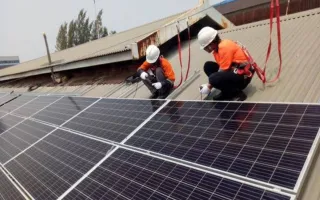
What Is Included in a Professional Inspection?
Annual inspections help identify problems before they become costly repairs.
Typical inspections include:
- Solar panel condition
- Mounting hardware
- Roof penetrations
- Electrical wiring
- Grounding system
- Inverter diagnostics
- Production analysis
- Safety disconnect testing
- Monitoring system verification
- Thermal imaging (when available)
Professional inspections are especially valuable after severe weather events.
Common Solar Panel Repairs
Although solar panels are highly durable, some repairs may become necessary over time.
| Repair Type | Estimated Cost |
|---|---|
| Loose Wiring | $200–$500 |
| Damaged Connectors | $150–$400 |
| Mounting Hardware Repair | $300–$700 |
| Roof Flashing Repair | $250–$800 |
| Junction Box Repair | $300–$900 |
| Inverter Replacement | $2,000–$4,500 |
| Monitoring Equipment Replacement | $250–$700 |
Many repairs are covered under manufacturer or installer warranties, depending on the cause.
Inverter Maintenance and Replacement
While solar panels often last 25–35 years, inverters typically have shorter lifespans.
| Inverter Type | Expected Lifespan |
|---|---|
| String Inverter | 10–15 Years |
| Hybrid Inverter | 12–15 Years |
| Microinverters | 20–25 Years |
Planning for at least one inverter replacement during the life of your solar system is a good financial strategy.
Example Lifetime Maintenance Cost
A homeowner installs an 8 kW residential solar system.
Initial Installation
Solar system:
$24,000
Federal Tax Credit (30%)
-$7,200
Net installation:
$16,800
Estimated Maintenance Over 25 Years
Panel cleaning (every 6 months):
$6,250
Annual inspections:
$5,000
Minor repairs:
$2,500
One inverter replacement:
$3,500
Monitoring services:
$1,000
Total maintenance:
$18,250
Estimated Lifetime Electricity Savings
Average annual savings:
$2,800
25-year savings:
$70,000
Net financial benefit after maintenance:
More than $50,000
Despite maintenance expenses, solar remains one of the most profitable home improvements available.
DIY vs Professional Maintenance
Some maintenance tasks are suitable for homeowners, while others require certified professionals.
| Task | DIY | Professional |
|---|---|---|
| Visual Inspection | ✅ | ✅ |
| Panel Cleaning | ✅ | ✅ |
| Monitoring Production | ✅ | ✅ |
| Electrical Repairs | ❌ | ✅ |
| Roof Flashing Repairs | ❌ | ✅ |
| Inverter Diagnostics | Limited | ✅ |
| Structural Inspection | ❌ | ✅ |
Never attempt electrical repairs without proper qualifications.
Warning Signs Your Solar System Needs Service
Homeowners should contact an installer if they notice:
- Unexpected production drops
- Inverter warning lights
- Visible panel cracks
- Water intrusion
- Loose mounting hardware
- Roof leaks
- Discolored wiring
- Frequent inverter shutdowns
- Burn marks near electrical equipment
- Monitoring system communication failures
Addressing these issues early often prevents more expensive repairs later.
Maintenance Cost vs Long-Term Savings
| Annual Maintenance Cost | Estimated Annual Energy Savings |
|---|---|
| $200 | $1,800–$2,200 |
| $300 | $2,000–$2,500 |
| $400 | $2,300–$2,900 |
| $500 | $2,500–$3,100 |
Annual maintenance typically represents only a small fraction of the financial benefits provided by residential solar systems.
How Warranties Reduce Maintenance Costs
Most quality residential systems include multiple warranty types.
| Warranty | Typical Coverage |
|---|---|
| Solar Panel Product Warranty | 25–40 Years |
| Performance Warranty | 25–40 Years |
| Inverter Warranty | 10–25 Years |
| Workmanship Warranty | 5–25 Years |
Understanding warranty terms helps homeowners avoid paying for repairs that may already be covered.
Tips to Reduce Maintenance Costs
To minimize long-term expenses:
- Clean panels regularly.
- Schedule annual professional inspections.
- Monitor system performance weekly.
- Trim nearby trees to reduce debris and shading.
- Address inverter alerts immediately.
- Inspect your roof after severe storms.
- Keep warranty documentation organized.
- Hire certified solar technicians for repairs.
- Avoid walking directly on solar panels.
- Replace aging components before major failures occur.
Preventive maintenance is almost always less expensive than emergency repairs.
State-Specific Notes
Texas
Texas experiences high temperatures, dust, hail, and strong winds. Homeowners should clean panels more frequently in dry regions and inspect mounting hardware after severe storms. Hail-resistant panels and routine inspections help protect long-term performance.
Florida
Florida's humidity, heavy rainfall, salt air, and hurricane exposure require regular inspections of mounting systems and electrical connections. Coastal homeowners should pay particular attention to corrosion prevention.
California
Wildfire smoke, dust, drought conditions, and occasional earthquakes make regular inspections important throughout California. Cleaning panels after extended dry seasons can restore significant production losses.
Country-Specific Considerations
United States
Maintenance needs vary by climate. Homeowners should follow manufacturer recommendations and local installer guidance to maintain warranty coverage and maximize energy production.
United Kingdom
Rain helps remove some dirt naturally, but moss, leaves, and pollen can still reduce efficiency. Annual inspections are recommended, particularly for older homes with complex roof structures.
Canada
Snow accumulation, ice, and freeze-thaw cycles require additional seasonal attention. Homeowners should avoid scraping panels with metal tools and instead allow snow to slide off naturally whenever possible.
Frequently Asked Questions
How much does solar panel maintenance cost annually?
Most homeowners spend between $150 and $500 per year, depending on cleaning frequency, inspection schedules, and any required repairs.
Do solar panels require regular cleaning?
Yes. Cleaning every three to six months is recommended in most areas, although local environmental conditions may require more frequent maintenance.
What is the most expensive solar repair?
Inverter replacement is typically the most costly repair, with installed prices ranging from $2,000 to $4,500, depending on system type and inverter model.
Are maintenance costs covered by warranty?
Many manufacturer warranties cover equipment defects, while workmanship warranties may cover installation-related issues. Routine cleaning and general maintenance are usually the homeowner's responsibility.
Can I clean solar panels myself?
Yes, if the panels are safely accessible. Use soft brushes, clean water, and non-abrasive materials. If roof access is difficult or unsafe, hire a professional cleaning service.
Is solar maintenance worth the cost?
Absolutely. Routine maintenance protects your investment, maximizes electricity production, extends equipment lifespan, and helps prevent expensive repairs that could otherwise reduce your system's ROI.
Conclusion
Although residential solar systems require relatively little maintenance, regular cleaning, annual inspections, and timely repairs are essential for maintaining peak performance and protecting your long-term investment. Routine maintenance costs are modest compared to the substantial savings generated by a well-performing solar energy system.
By monitoring system performance, following manufacturer maintenance recommendations, and working with certified professionals when needed, homeowners can maximize electricity production, extend equipment lifespan, and preserve warranty coverage for decades.
Want to keep your solar system operating at peak efficiency? Create a maintenance schedule, monitor production regularly, and schedule annual inspections with qualified solar professionals. A small investment in preventive maintenance today can result in thousands of dollars in additional lifetime energy savings.