How to Increase Solar Panel Efficiency Without Buying New Equipment: 15 Proven Ways to Maximize Energy Output in 2026
- Texas
- Florida
- California
- United States
- United Kingdom
- Canada
- Can I improve solar panel efficiency without replacing equipment?
- How often should solar panels be cleaned?
- Does shade really reduce solar production?
- Is professional maintenance necessary?
- Will monitoring apps improve efficiency?
- Is upgrading equipment always the best solution?
How to Increase Solar Panel Efficiency Without Buying New Equipment
Many homeowners assume that improving solar panel performance requires purchasing expensive new equipment. In reality, most residential solar systems lose energy output not because the panels are outdated, but because they are not operating under optimal conditions.
Dust, debris, shading, poor maintenance, and inefficient household energy habits can reduce annual solar production by 5% to 25% without homeowners even realizing it. Fortunately, many of these losses can be corrected with simple maintenance and smart energy management—without replacing your existing solar panels, inverter, or battery system.
This guide explores how to increase solar panel efficiency without buying new equipment, including proven maintenance practices, performance optimization techniques, monitoring strategies, and cost-saving tips that can significantly improve your system's long-term return on investment (ROI).
Why Solar Panel Efficiency Declines
Solar panels naturally experience a slight decrease in performance over time due to normal degradation. However, the majority of efficiency losses come from external factors that homeowners can often control.
Common causes include:
- Dirt and dust buildup
- Bird droppings
- Fallen leaves
- Tree shading
- High operating temperatures
- Loose electrical connections
- Inverter issues
- Poor energy usage timing
- Lack of routine inspections
- Software or monitoring problems
Fortunately, most of these issues can be addressed without investing in new hardware.
How Much Efficiency Can You Recover?
The amount of recoverable efficiency depends on the condition of your system.
| Issue | Potential Performance Improvement |
|---|---|
| Cleaning Dirty Panels | 3–10% |
| Removing Partial Shade | 5–20% |
| Trimming Trees | 5–15% |
| Monitoring Energy Production | 2–5% |
| Scheduling High Usage During Daylight | 5–10% |
| Routine Maintenance | 2–6% |
Combined, these improvements can significantly increase annual energy production.
1. Keep Solar Panels Clean
One of the simplest ways to improve efficiency is regular cleaning.
Dust, pollen, pollution, bird droppings, and leaves reduce the amount of sunlight reaching the solar cells.
Cleaning recommendations:
- Every 3–6 months in most climates
- More frequently in dusty or agricultural regions
- After long dry seasons
- Following major storms
Use:
- Soft brush
- Garden hose
- Mild soap if necessary
- Deionized water when available
Avoid abrasive materials or pressure washers that could damage the panel surface.
2. Remove Nearby Shade
Even small amounts of shading can significantly reduce energy production.
Inspect nearby:
- Trees
- Branches
- Chimneys
- Satellite dishes
- Utility poles
- New construction
- Roof vents
Regular tree trimming often delivers one of the highest returns without requiring additional equipment.
3. Monitor System Performance
Many homeowners rarely check their solar monitoring app.
Monitoring allows you to identify:
- Unexpected production drops
- Inverter faults
- Panel-level issues
- Communication failures
- Seasonal performance trends
Detecting problems early helps prevent months of reduced energy production.
4. Schedule High-Energy Appliances During Daylight
Using electricity while your panels are actively producing power increases self-consumption and reduces reliance on the grid.
Ideal daytime activities include:
- Running the dishwasher
- Laundry
- Charging electric vehicles
- Water heating
- Pool pumps
- Air conditioning (where appropriate)
This strategy maximizes the value of every kilowatt-hour generated.
5. Inspect for Debris Around Panels
Leaves, nests, and accumulated debris can restrict airflow and create hot spots.
Regular inspections help maintain:
- Proper ventilation
- Lower operating temperatures
- Better electrical performance
- Reduced fire risk
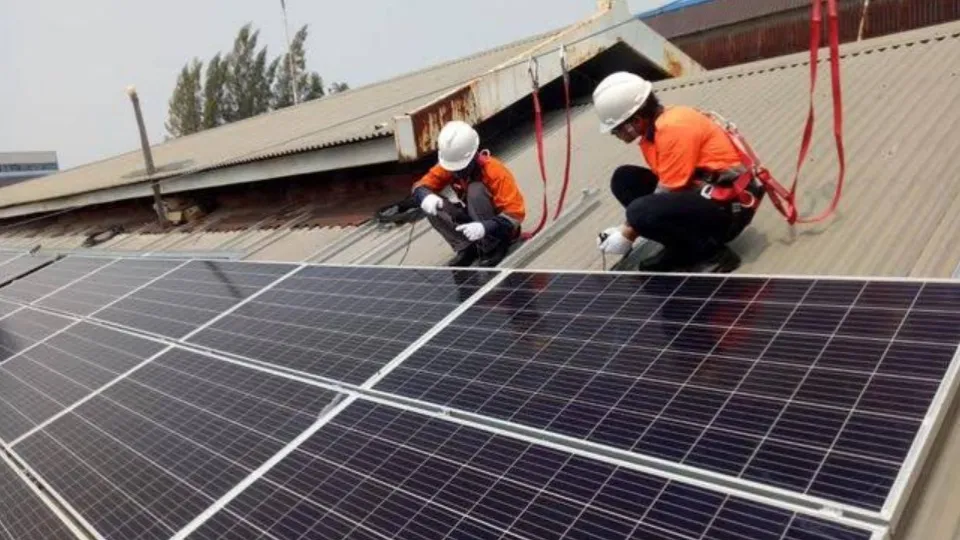
Always inspect safely from the ground or hire a professional if roof access is difficult.
6. Check for Loose Electrical Connections
Electrical connections naturally expand and contract with temperature changes.
A qualified technician should periodically inspect:
- Wiring
- Connectors
- Grounding
- Junction boxes
- Inverter terminals
Loose connections can reduce production and create safety concerns.
7. Improve Roof Ventilation
Solar panels perform more efficiently at lower temperatures.
Although homeowners cannot control outdoor weather, improving attic ventilation helps reduce roof temperatures, allowing panels to operate closer to their optimal efficiency.
Proper airflow also extends the lifespan of roofing materials.
8. Review Inverter Performance
The inverter is responsible for converting DC electricity into usable AC power.
Signs of inverter issues include:
- Error messages
- Unexpected production drops
- Frequent shutdowns
- Communication failures
- Flashing warning lights
Regular monitoring ensures the inverter continues operating efficiently.
9. Update Monitoring Software
Many modern solar systems receive firmware and software updates that improve:
- System stability
- Monitoring accuracy
- Communication reliability
- Performance reporting
Ask your installer whether updates are available for your inverter or monitoring platform.
10. Schedule Annual Professional Inspections
Professional inspections help identify problems before they become expensive repairs.
Technicians evaluate:
- Electrical connections
- Mounting hardware
- Roof penetrations
- Grounding
- Inverter operation
- Panel condition
- Production data
Annual inspections often improve long-term system reliability and efficiency.
Maintenance Cost Comparison
| Maintenance Service | Average Cost |
|---|---|
| Professional Panel Cleaning | $150–$350 |
| Annual Inspection | $150–$400 |
| Electrical Inspection | $200–$500 |
| Tree Trimming | $250–$1,000 |
| Monitoring Service | Free–$100/year |
Routine maintenance costs are typically much lower than replacing underperforming equipment.
Example Savings Calculation
A homeowner has:
8 kW residential solar system
Average annual production:
11,000 kWh
Electricity rate:
$0.18/kWh
Annual electricity savings:
$1,980
After implementing:
- Panel cleaning
- Tree trimming
- Better daytime energy usage
- Annual inspection
Production increases by:
8%
New annual production:
11,880 kWh
Additional annual savings:
Approximately $160
Over 25 years:
Additional savings exceed $4,000, without purchasing new equipment.
Common Mistakes That Reduce Solar Efficiency
Avoid these common errors:
- Ignoring dirty panels
- Allowing trees to overgrow
- Skipping annual inspections
- Ignoring inverter warnings
- Using most electricity at night
- Never checking monitoring apps
- Delaying small repairs
- Blocking panel airflow with debris
Small issues often compound over time, leading to significant energy losses.
Tips to Maximize Solar Efficiency
To get the most from your existing system:
- Clean panels regularly.
- Monitor production weekly.
- Trim nearby vegetation annually.
- Schedule professional inspections.
- Use high-energy appliances during daylight hours.
- Keep roof surfaces free of debris.
- Review inverter performance monthly.
- Address electrical issues promptly.
- Maintain proper attic ventilation.
- Understand seasonal production patterns.
These simple habits can help maintain peak performance throughout your system's lifespan.
State-Specific Notes
Texas
Texas experiences long periods of intense sunshine, making dust accumulation and high operating temperatures common challenges. Regular cleaning and proper roof ventilation can help maintain strong energy production throughout the summer.
Florida
Humidity, salt air, heavy rainfall, and frequent storms can leave debris on solar panels. Coastal homeowners should inspect mounting hardware for corrosion and clean panels after severe weather events to maintain optimal performance.
California
California homeowners often deal with drought conditions, dust, and wildfire smoke. Regular panel inspections and careful cleaning can help restore performance after extended dry seasons or periods of poor air quality.
Country-Specific Considerations
United States
Solar production varies significantly across different climates. Homeowners should adjust cleaning schedules and maintenance practices based on local weather patterns, pollen levels, and environmental conditions.
United Kingdom
Although rainfall naturally removes some dirt, moss, leaves, and seasonal debris can still affect production. Homeowners should monitor panel performance closely during autumn and winter.
Canada
Snow accumulation is a major seasonal consideration. While most panels shed snow naturally as temperatures rise, homeowners should avoid scraping panels with sharp tools, as this can damage the protective glass surface.
Frequently Asked Questions
Can I improve solar panel efficiency without replacing equipment?
Yes. Cleaning panels, reducing shading, monitoring system performance, and improving energy usage habits can significantly increase efficiency without purchasing new equipment.
How often should solar panels be cleaned?
Most residential systems benefit from cleaning every three to six months, although dusty environments may require more frequent maintenance.
Does shade really reduce solar production?
Yes. Even partial shading on a single panel can reduce the output of an entire string, depending on the system design. Microinverters and power optimizers can lessen this impact.
Is professional maintenance necessary?
While homeowners can perform basic visual inspections and cleaning, annual professional inspections help identify hidden electrical or mechanical issues that may reduce performance.
Will monitoring apps improve efficiency?
Monitoring apps don't directly increase production, but they allow homeowners to detect faults early, preventing long periods of reduced energy generation.
Is upgrading equipment always the best solution?
Not necessarily. Many systems operate below their potential simply because of maintenance issues or poor energy management. Addressing these factors first is often more cost-effective than replacing equipment.
Conclusion
Improving the performance of your residential solar system doesn't always require purchasing expensive new equipment. In many cases, regular cleaning, shading management, routine inspections, smarter energy usage, and consistent system monitoring can recover a significant amount of lost production and increase long-term financial returns.
By maintaining your existing solar installation and addressing small performance issues before they become major problems, you can maximize electricity generation, reduce utility bills, and extend the life of your investment. These simple, low-cost strategies help ensure your solar panels continue delivering reliable clean energy for decades.
Want to get more from your current solar system? Start by reviewing your monitoring data, scheduling a professional inspection, and following a regular maintenance routine. Small improvements today can translate into thousands of dollars in additional lifetime savings.