Why Solar Panels Lose Efficiency Over Time: Causes, Performance Recovery & Maintenance Guide for 2026
- Clean Solar Panels Regularly
- Trim Trees
- Monitor System Performance
- Schedule Annual Professional Inspections
- Improve Airflow Around Panels
- Repair Electrical Problems Promptly
- Texas
- Florida
- California
- United States
- United Kingdom
- Canada
- How much efficiency do solar panels lose each year?
- Can lost solar panel performance be restored?
- Should I replace older solar panels?
- How often should solar panels be inspected?
- Does hot weather damage solar panel efficiency?
- What is the biggest preventable cause of efficiency loss?
Why Solar Panels Lose Efficiency Over Time and How to Restore Performance
Solar panels are engineered to provide reliable electricity for decades, with most modern photovoltaic (PV) systems carrying performance warranties of 25 to 30 years. However, many homeowners notice that their systems produce slightly less electricity after several years of operation and wonder whether their investment is beginning to fail.
The good news is that a gradual decline in solar panel efficiency is completely normal. In fact, most quality solar panels lose only 0.3% to 0.8% of their generating capacity per year. Even after 25 years, premium panels often continue producing 85% to 92% of their original output.
While natural aging is unavoidable, many efficiency losses are caused by external factors such as dirt accumulation, shading, inverter issues, poor maintenance, and weather conditions. These problems can often be corrected without replacing your solar panels.
This guide explains why solar panels lose efficiency over time, the difference between normal degradation and preventable performance losses, and practical ways to restore energy production while maximizing long-term return on investment (ROI).
Is It Normal for Solar Panels to Lose Efficiency?
Yes.
All photovoltaic cells gradually degrade due to continuous exposure to sunlight, temperature changes, moisture, and environmental stress.
Typical degradation rates include:
| Panel Quality | Annual Degradation | Output After 25 Years |
|---|---|---|
| Premium N-Type Panels | 0.25–0.35% | 91–94% |
| Premium Monocrystalline | 0.35–0.50% | 88–91% |
| Standard Monocrystalline | 0.50–0.70% | 83–88% |
| Polycrystalline | 0.60–0.80% | 80–85% |
Natural degradation is expected and is already factored into manufacturer performance warranties.
What Causes Solar Panels to Lose Efficiency?
Several factors contribute to declining energy production over time.
Some are unavoidable, while others can be corrected.
Natural Cell Degradation
Every solar cell slowly loses its ability to convert sunlight into electricity.
This happens because:
- UV radiation gradually damages semiconductor materials.
- Heat causes microscopic expansion and contraction.
- Moisture slowly affects internal components.
- Thermal cycling stresses solder connections.
Fortunately, modern manufacturing has significantly reduced degradation compared to older solar technologies.
Dirt and Dust Accumulation
One of the most common—and easily reversible—causes of reduced efficiency is dirt buildup.
Common contaminants include:
- Dust
- Pollen
- Bird droppings
- Leaves
- Tree sap
- Air pollution
- Salt residue near coastal areas
Dirty panels can lose anywhere from 3% to 15% of their production, depending on local environmental conditions.
Partial Shading
Solar panels perform best when exposed to direct sunlight.
Even partial shading from:
- Trees
- Chimneys
- Utility poles
- Antennas
- Neighboring buildings
can significantly reduce system output, especially in systems using traditional string inverters.
Microinverters and power optimizers help reduce shading-related losses but cannot eliminate them entirely.
High Operating Temperatures
Contrary to popular belief, solar panels perform more efficiently in bright sunlight—not necessarily in extreme heat.
For every degree above the panel's rated operating temperature, efficiency decreases slightly.
Hot climates may experience temporary production losses during peak summer afternoons.
Inverter Performance Decline
The inverter is often the first major component to experience age-related wear.
Symptoms include:
- Lower conversion efficiency
- Error messages
- Unexpected shutdowns
- Reduced energy production
- Communication failures
Since the inverter converts DC electricity into usable AC power, any decline directly affects household energy output.
Loose Electrical Connections
Outdoor electrical connections expand and contract with changing temperatures.
Over time, connectors may become:
- Loose
- Corroded
- Oxidized
- Damaged by moisture
Even minor connection issues can reduce energy production and create potential safety hazards.
Extreme Weather
Weather events may temporarily or permanently affect solar performance.
Examples include:
- Hail
- Heavy snowfall
- Windstorms
- Wildfire smoke
- Hurricanes
- Dust storms
Most modern solar panels are designed to withstand severe weather, but inspections are recommended after major storms.
Bird Nests and Debris
Birds sometimes build nests beneath rooftop solar arrays.
Accumulated debris may:
- Restrict airflow
- Increase operating temperatures
- Damage wiring
- Attract rodents
- Create fire hazards
Regular inspections help prevent these issues.
Typical Performance Losses
| Cause | Estimated Efficiency Loss |
|---|---|
| Natural Aging | 0.3–0.8% per year |
| Dirt & Dust | 3–10% |
| Bird Droppings | 2–8% |
| Tree Shading | 5–25% |
| High Heat | 2–8% |
| Inverter Problems | 5–20% |
| Loose Wiring | 2–10% |
| Heavy Snow Coverage | Temporary 100% Loss |
Fortunately, most non-aging losses can be minimized through proper maintenance.
How to Restore Solar Panel Performance
Many homeowners can recover lost production without purchasing new equipment.
Clean Solar Panels Regularly
Professional or homeowner cleaning removes dirt that blocks sunlight.
Recommended schedule:
- Every 3–6 months
- After long dry seasons
- Following dust storms
- After wildfire smoke events
Trim Trees
Removing overgrown branches restores sunlight exposure and often produces immediate improvements in energy production.
Monitor System Performance
Monitoring software helps detect:
- Production drops
- Inverter failures
- Communication issues
- Panel-level problems
Review production data at least once a month.
Schedule Annual Professional Inspections
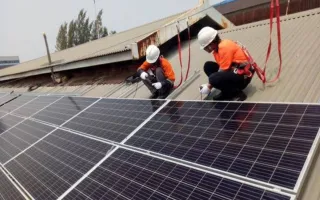
Certified technicians inspect:
- Electrical wiring
- Roof penetrations
- Mounting hardware
- Grounding
- Inverter performance
- Panel condition
Annual inspections help identify small problems before they become expensive repairs.
Improve Airflow Around Panels
Removing leaves and debris beneath the panels improves ventilation and reduces operating temperatures, especially during summer.
Repair Electrical Problems Promptly
Loose or damaged wiring should always be repaired by qualified solar technicians.
Ignoring electrical issues can reduce efficiency and increase safety risks.
Cost of Restoring Solar Performance
| Service | Average Cost |
|---|---|
| Panel Cleaning | $150–$350 |
| Tree Trimming | $250–$1,000 |
| Annual Inspection | $150–$400 |
| Electrical Repair | $200–$800 |
| Monitoring System Setup | Free–$150 |
| Inverter Repair | $500–$2,000 |
| Inverter Replacement | $2,000–$4,500 |
Compared with replacing an entire solar system, maintenance and repairs are highly cost-effective.
Example Performance Recovery
A homeowner owns an 8 kW solar system producing:
10,500 kWh annually
Electricity rate:
$0.18/kWh
Annual savings:
$1,890
After inspection, technicians find:
- Dirty panels
- Tree shading
- Loose electrical connector
Following maintenance:
Energy production increases by 10%
New production:
11,550 kWh
Additional annual savings:
Approximately $190
Over 25 years:
Additional savings exceed $4,700, without replacing the solar panels.
Preventive Maintenance Checklist
Perform these tasks regularly:
- Clean panels every few months.
- Monitor energy production monthly.
- Trim nearby vegetation annually.
- Inspect mounting hardware after storms.
- Check inverter alerts immediately.
- Remove debris beneath panels.
- Schedule professional inspections every year.
- Review electricity bills for unexpected increases.
- Keep warranty documentation accessible.
- Address small problems before they grow.
Preventive maintenance is the easiest way to preserve long-term efficiency.
State-Specific Notes
Texas
High temperatures, dust, hail, and seasonal storms make regular cleaning and post-storm inspections especially important. Homeowners in West Texas may need more frequent panel cleaning due to dust accumulation.
Florida
Florida's humidity, salt air, and hurricanes can accelerate corrosion if mounting systems and electrical connections are not inspected regularly. Cleaning panels after tropical storms also helps maintain peak production.
California
Wildfire smoke, drought conditions, dust, and occasional earthquakes can affect solar performance. Regular cleaning after smoke events and annual inspections help restore efficiency and identify any weather-related damage.
Country-Specific Considerations
United States
Solar performance varies based on climate, utility policies, and local environmental conditions. Homeowners should follow manufacturer maintenance schedules and review system production data regularly.
United Kingdom
Although cooler temperatures can improve panel efficiency, shorter winter daylight hours naturally reduce production. Leaves, moss, and seasonal debris should be removed to maintain optimal output.
Canada
Snow and ice are common seasonal challenges. Most solar panels shed snow naturally once temperatures rise, but homeowners should avoid using metal tools to remove snow to prevent damage to the panel surface.
Frequently Asked Questions
How much efficiency do solar panels lose each year?
Most modern solar panels lose approximately 0.3% to 0.8% of their output annually, depending on panel quality and environmental conditions.
Can lost solar panel performance be restored?
Yes. Cleaning panels, removing shading, repairing electrical issues, and maintaining the system can often recover much of the lost performance caused by non-aging factors.
Should I replace older solar panels?
Not necessarily. Many older systems continue producing more than 80% of their original output after 25 years. Performance testing should be completed before considering replacement.
How often should solar panels be inspected?
A professional inspection every 12 months is recommended, with additional inspections after severe storms or unexpected production declines.
Does hot weather damage solar panel efficiency?
High temperatures temporarily reduce solar panel efficiency, but modern panels are designed to operate safely in hot climates. Proper airflow beneath the panels helps minimize these temporary losses.
What is the biggest preventable cause of efficiency loss?
Dirt accumulation and shading are among the most common preventable causes of reduced solar production. Regular cleaning and vegetation management can significantly improve system performance.
Conclusion
Solar panels naturally lose a small amount of efficiency as they age, but this gradual degradation is both expected and relatively minor. In many cases, the largest reductions in energy production are caused by preventable issues such as dirt buildup, shading, inverter problems, and neglected maintenance rather than aging itself.
By cleaning panels regularly, monitoring production, scheduling annual inspections, and addressing minor issues promptly, homeowners can restore much of their system's lost performance without investing in expensive new equipment. These simple maintenance practices not only improve electricity generation but also extend system lifespan and maximize long-term financial returns.
Want your solar panels to perform like they did when they were first installed? Start with a complete system inspection, establish a routine maintenance schedule, and monitor your energy production regularly. A proactive approach today can preserve thousands of dollars in lifetime energy savings.