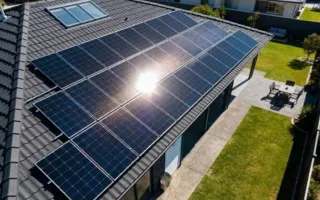
Solar ROI Calculator Guide 2026: Estimate Payback Period, Lifetime Savings & Investment Return
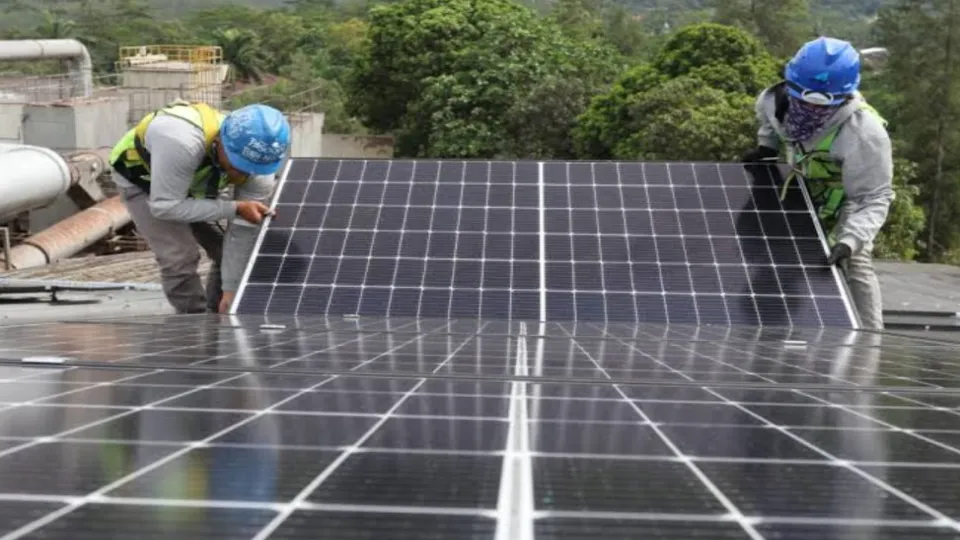
- Household Information
- Installation Costs
- Estimated Maintenance (25 Years)
- Total Ownership Cost
- Estimated Lifetime Electricity Savings
- Electricity Rates
- Solar Production
- Panel Efficiency
- Roof Orientation
- Battery Storage
- Electricity Inflation
- Texas
- Florida
- California
- United States
- United Kingdom
- Canada
- What is a good solar ROI?
- How long does it take for solar panels to pay for themselves?
- Does a larger solar system provide better ROI?
- Can battery storage improve ROI?
- What reduces solar ROI?
- Should I use an online Solar ROI Calculator before buying?
Solar ROI Calculator Guide: Estimate Payback Period and Lifetime Savings
Installing residential solar panels is no longer just an environmentally friendly decision—it has become one of the smartest long-term financial investments for homeowners. With electricity prices continuing to rise and government incentives reducing installation costs, many households can recover their investment in just a few years while enjoying decades of reduced utility bills.
However, before purchasing a solar energy system, one important question should be answered:
What is the actual return on investment (ROI)?
A Solar ROI Calculator helps estimate how much money you'll save over the lifetime of your solar system, how quickly you'll recover your investment, and whether a solar installation makes financial sense based on your home's energy usage.
This complete guide explains how to calculate solar ROI, estimate payback periods, understand the variables affecting profitability, and maximize long-term financial returns.
What Is Solar ROI?
Solar ROI (Return on Investment) measures the financial return generated by a residential solar energy system over its lifetime.
It considers:
- Installation cost
- Federal tax credits
- Local incentives
- Electricity bill savings
- Maintenance expenses
- Equipment replacement
- Electricity price inflation
- System lifespan
A well-designed residential solar system typically generates positive returns for 25–30 years, making it one of the highest-performing home improvement investments available today.
What Is a Solar ROI Calculator?
A Solar ROI Calculator estimates:
- Total installation cost
- Tax credit savings
- Annual electricity savings
- Payback period
- Lifetime savings
- ROI percentage
- Net financial benefit
The calculator helps homeowners compare multiple system sizes and equipment options before making a purchase.
Information Needed for an Accurate ROI Calculation
To estimate your solar return accurately, gather the following information:
| Required Data | Example |
|---|---|
| Monthly Electricity Bill | $220 |
| Annual Electricity Usage | 11,500 kWh |
| System Size | 8 kW |
| Installation Cost | $24,000 |
| Federal Tax Credit | 30% |
| Utility Rate | $0.17/kWh |
| Annual Electricity Inflation | 3% |
| System Lifespan | 25–30 Years |
The more accurate your inputs, the more reliable your ROI estimate will be.
Formula for Estimating Solar ROI
A simplified ROI calculation is:
ROI (%) = [(Lifetime Savings − Total Ownership Cost) ÷ Total Ownership Cost] × 100
Where:
- Lifetime Savings = Total electricity savings over the system's life
- Total Ownership Cost = Installation cost after incentives + maintenance + future equipment replacement
This formula provides a realistic picture of the financial value of your investment.
Average Residential Solar Installation Costs
| System Size | Average Installed Cost | Cost After 30% Federal Tax Credit |
|---|---|---|
| 4 kW | $10,000–$13,000 | $7,000–$9,100 |
| 6 kW | $14,000–$18,000 | $9,800–$12,600 |
| 8 kW | $18,000–$24,000 | $12,600–$16,800 |
| 10 kW | $22,000–$30,000 | $15,400–$21,000 |
| 12 kW | $27,000–$36,000 | $18,900–$25,200 |
Higher-capacity systems cost more initially but generally produce greater lifetime savings.
Example Solar ROI Calculation
Let's examine a practical example for an average homeowner.
Household Information
Monthly electric bill:
$220
Annual electricity cost:
$2,640
Recommended solar system:
8 kW
Installation Costs
Solar panels:
$15,000
Microinverters:
$3,200
Mounting hardware:
$2,100
Installation labor:
$4,800
Permits:
$900
Monitoring system:
$500
Total installation:
$26,500
Federal Tax Credit (30%):
-$7,950
Net installation cost:
$18,550
Estimated Maintenance (25 Years)
Panel cleaning:
$3,000
Annual inspections:
$3,500
One inverter replacement:
$3,000
Minor repairs:
$1,500
Total maintenance:
$11,000
Total Ownership Cost
Installation after tax credit:
$18,550
Maintenance:
$11,000
Total lifetime ownership:
$29,550
Estimated Lifetime Electricity Savings
Average annual savings:
$2,500
Estimated system life:
25 years
Total electricity savings:
$62,500
Net financial benefit:
$62,500 − $29,550 = $32,950
Estimated ROI:
Approximately 112%
Estimated payback period:
7–8 years
Factors That Affect Solar ROI
Every homeowner's return differs depending on several variables.
Electricity Rates
Higher electricity prices generally produce higher ROI because each kilowatt-hour generated replaces more expensive grid electricity.
Solar Production
Greater sunlight exposure increases electricity generation and improves financial returns.
Regions with strong solar production include:
- Texas
- California
- Arizona
- Florida
- Nevada
Panel Efficiency
High-efficiency panels generate more electricity over the same roof area, improving long-term savings.
Roof Orientation
South-facing roofs generally maximize production in the Northern Hemisphere.
East- and west-facing roofs still perform well but may produce slightly less energy annually.
Battery Storage
Adding battery storage increases installation costs but can improve ROI where:
- Time-of-use pricing exists
- Net metering is limited
- Grid outages are common
Electricity Inflation
Historically, utility prices tend to increase over time.
Assuming only 3% annual electricity inflation, lifetime savings may exceed initial estimates significantly.
Estimated Payback Period by System Size
| System Size | Average Payback |
|---|---|
| 4 kW | 6–8 Years |
| 6 kW | 6–8 Years |
| 8 kW | 7–9 Years |
| 10 kW | 7–10 Years |
| 12 kW | 8–10 Years |
Payback periods vary depending on local utility rates, incentives, and household energy consumption.
Premium vs Budget Solar Systems
| Feature | Premium System | Budget System |
|---|---|---|
| Upfront Cost | Higher | Lower |
| Panel Efficiency | Higher | Moderate |
| Warranty | Longer | Standard |
| Degradation Rate | Lower | Higher |
| Lifetime Production | Greater | Moderate |
| Long-Term ROI | Higher | Good |
While premium systems require a larger initial investment, they often deliver greater lifetime value through increased energy production and reduced maintenance.
Hidden Costs That Affect ROI
Homeowners should also consider potential future expenses, including:
- Roof replacement before installation
- Electrical panel upgrades
- Tree trimming
- Battery expansion
- Inverter replacement
- Monitoring subscriptions
- Permit renewals (where applicable)
- Insurance adjustments
Factoring these costs into your ROI calculations provides a more realistic financial outlook.
Tips to Maximize Solar ROI
To improve your return on investment:
- Compare quotes from multiple certified installers.
- Install the correct system size based on actual energy usage.
- Prioritize high-efficiency solar panels.
- Choose an inverter compatible with future battery upgrades.
- Keep panels clean to maintain optimal performance.
- Monitor system production regularly.
- Take advantage of federal, state, and local incentives.
- Shift energy-intensive activities to daylight hours.
- Consider battery storage if your utility uses time-of-use pricing.
- Review warranty terms before purchasing.
State-Specific Notes
Texas
Texas offers strong solar production due to abundant sunshine and high summer cooling demand. While utility buyback programs vary, many homeowners achieve attractive ROI by offsetting expensive air-conditioning costs.
Florida
Florida's year-round sunlight supports excellent solar performance. Homeowners should choose hurricane-rated mounting systems and corrosion-resistant equipment to maximize long-term reliability and financial returns.
California
California's high electricity prices make solar one of the most attractive home investments. Battery storage often enhances ROI by allowing homeowners to avoid expensive evening electricity rates under time-of-use pricing.
Country-Specific Considerations
United States
Federal tax incentives and many state rebate programs continue to improve residential solar economics. Utility policies, net metering, and electricity prices vary by location, making local research essential.
United Kingdom
Although the UK receives less sunlight than many U.S. regions, rising electricity prices mean homeowners can still achieve attractive long-term returns through efficient system design and increased self-consumption.
Canada
Modern solar panels perform efficiently even in colder climates. Provincial incentives, electricity prices, and local weather conditions influence ROI, so homeowners should compare regional programs before investing.
Frequently Asked Questions
What is a good solar ROI?
For many homeowners, an ROI exceeding 100% over the system's lifetime is considered an excellent investment, particularly when paired with rising electricity prices.
How long does it take for solar panels to pay for themselves?
Most residential systems recover their installation costs within 6–10 years, depending on energy usage, system size, incentives, and local utility rates.
Does a larger solar system provide better ROI?
Not always. The best ROI comes from a system properly sized to match your household's electricity consumption rather than the largest system available.
Can battery storage improve ROI?
Yes, especially in areas with time-of-use electricity pricing, reduced net metering benefits, or frequent power outages. Batteries allow homeowners to store solar energy for use when electricity is most expensive.
What reduces solar ROI?
Factors such as roof shading, poor system design, low-quality equipment, higher maintenance costs, and unfavorable utility policies can reduce overall financial returns.
Should I use an online Solar ROI Calculator before buying?
Absolutely. A Solar ROI Calculator helps estimate installation costs, payback period, lifetime savings, and expected financial return, allowing you to compare different system sizes and equipment options before making a decision.
Conclusion
A Solar ROI Calculator is one of the most valuable tools available to homeowners considering a solar investment. By evaluating installation costs, tax incentives, electricity savings, maintenance expenses, and future utility price increases, you can gain a realistic understanding of your expected financial return.
Although every home is different, many residential solar systems pay for themselves within a decade and continue generating significant savings for another 15–20 years. Choosing high-quality equipment, working with experienced installers, and taking advantage of available incentives can further improve your long-term profitability.
Ready to calculate your solar savings? Gather your recent electricity bills, compare installation quotes, and use a Solar ROI Calculator to estimate your payback period and lifetime savings before investing in a residential solar energy system.